Aspirnaut™: A student who aspires, seeks, and achieves.
A partnership between Vanderbilt University Medical Center and rural K-12 schools to help recruit and develop the science, technology, engineering and math (STEM) workforce.
Click on the images below to learn more!
![]() |
![]() |
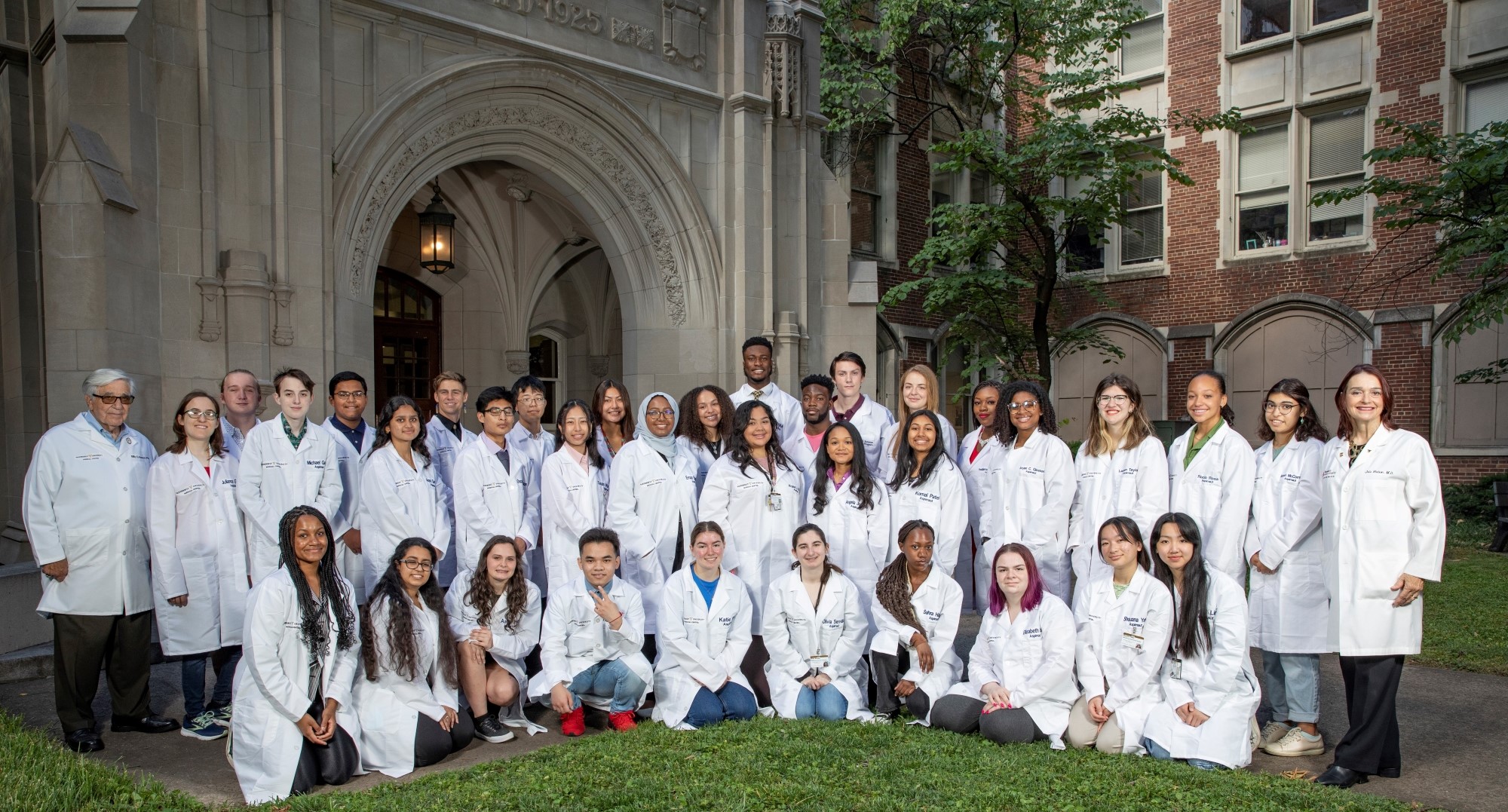
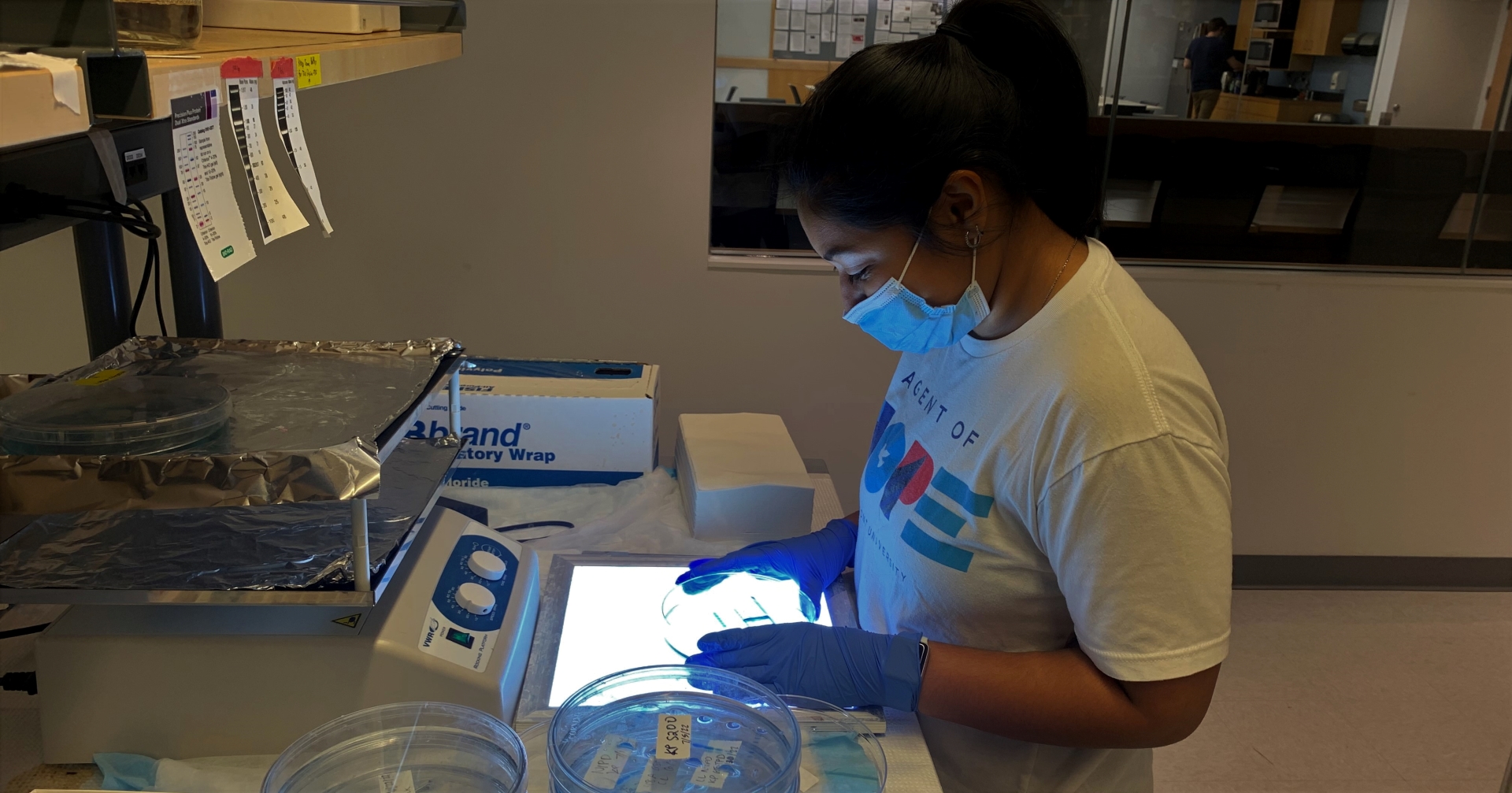
2013 AspirnautTM Summer Research Internship Opportunities AspirnautTM Summer Research Internship for High School Students The AspirnautTM Program Summer Research Internship is a hands-on and mentored laboratory experience for high school students interested in a career in the fields of science, technology, engineering, or mathematics (STEM). Participants reside for six weeks on the campus of Vanderbilt University and conduct biomedical research at Vanderbilt University Medical Center under the direction of Billy Hudson, Ph.D., Director of the Vanderbilt Center for Matrix Biology. Vanderbilt is an internationally recognized center of excellence in scientific research and is home to one of the best-rated hospitals and medical centers in the country. Program participants are exposed not only to the inner workings of high-level scientific research, but also to the culture of one of the country's premiere institutions. Located in the heart of Nashville, known affectionately as Music City USA, participants will be exposed to a broad spectrum of excellence, both academically and culturally. The goal of this program is to provide high school students a laboratory experience in which they can play an active role in ongoing biomedical research. Students are fully engaged in their research project —conducting experiments, collecting data, analyzing results, and keeping their lab notebook and research portfolio. Students meet regularly to discuss their projects with scientific mentors. They engage with guest speakers. At the end of the program, students prepare written reports and give oral and poster presentations to their peers and mentors. Activities and assignments will vary within a standard nine-to-five timeframe in laboratory atmospheres, with evenings and weekends available to the participants to complete homework assignments. There is plenty of free time to explore the university, Nashville and area during supervised trips. Complete the High School Student Application Form to find out more or see our frequently asked questions (FAQ) section. Application deadline is February 1, 2013. For general AspirnautTM Summer Research Internship questions please contact us here. AspirnautTM Summer Research Internship for Undergraduate Students Undergraduate Research Internships on the Pathobiology of Diabetic Nephropathy 2013 APPLICATION FOR ADMISSION May 27 – August 2, 2013 (10 weeks) Application Deadline February 1, 2013 Description The AspirnautTM Summer Research Internship Program is a hands-on and mentored basic science research laboratory experience for undergraduate students interested in a career in biomedical research. The program is supported by the National Institute of Diabetes and Digestive and Kidney Diseases of the National Institutes of Health and recruitment is targeted to underrepresented racial and ethnic groups, Native Americans and those from geographically- and economically-disadvantaged backgrounds as defined by the federal government.* There are two principle aims for this program:

Participants reside on the campus of Vanderbilt University and conduct research activities at Vanderbilt University Medical Center. Research assignments are coordinated under the direction of Billy Hudson, Ph.D., Director of the Vanderbilt Center for Matrix Biology. Interns are assigned to a mentor and research lab related to diabetes. Interns are fully engaged in their research project and meet regularly to discuss their projects with scientific mentors and to interact with guest speakers. At the end of the program, interns prepare written reports and give oral and poster presentations to their peers and mentors. Activities and assignments will vary within a standard nine-to-five timeframe in laboratory atmospheres, with evenings and weekends available for the participants to complete homework assignments. There is plenty of free time to explore the university, the city of Nashville, and its surrounding areas. Benefits The summer research interns will receive a salary of $500 per week for the ten-week period. This salary is intended to cover all intern costs associated with participation in the program including travel to and from Nashville. The salary will be pro-rated for any days/weeks not completed. Housing is available in Vanderbilt University campus dormitories at a rate of $28.00 per day. Nearly all interns live on campus. Eligibility & Application Rising sophomores, juniors, and seniors with a GPA of 3.0 or better on a 4.0 scale and who are in good standing at their primary institution are eligible. Applicants should have already completed biology, chemistry or biochemistry. Rising seniors should have at least one semester remaining of their undergraduate education at the start of the summer program. Applicants who have successfully completed high school and who are matriculating into a 4-year college/university in the fall are also eligible if they have taken an advanced course in biology, chemistry, or physics in high school. Candidates should demonstrate interest in/potential to pursue graduate study (i.e., Ph.D., M.D., M.S.) toward an advanced degree in STEM (science, technology, engineering, mathematics) fields and in biomedical research. Interns must be a documented U.S. citizen or non-citizen national or permanent resident in possession of an alien registration receipt card (I-551) or other legal document of such status. International citizens studying in the United States with an F-1 visa are not eligible for these spots. Individuals seeking asylum or refugees are not eligible. * NIH groups that are considered to be in need of special recruitment and retention plans in order to diversify the biomedical, behavioral, clinical, and social sciences workforce: 1) Individuals from racial and ethnic groups that have been shown by the National Science Foundation to be underrepresented in health-related sciences on a national basis (see data at http://www.nsf.gov/statistics/showpub.cfm?TopID=2&SubID=27 and the report Women, Minorities, and Persons with Disabilities in Science and Engineering, 2007, p. 262) and those groups shown to be underrepresented in health-related sciences on a national basis: American Indians or Alaska Natives, Blacks or African Americans, Hispanics or Latinos, Native Hawaiians or Other Pacific Islanders; 2) Individuals with disabilities, who are defined as those with a physical or mental impairment that substantially limits one or more major life activities; 3) Individuals from disadvantaged backgrounds who are defined as: (a) from a family with an annual income below established low-income thresholds based on family size, published by the U.S. Bureau of the Census, and adjusted annually for changes in the Consumer Price Index, and adjusted by the Secretary for use in all health professions programs (http://aspe.hhs.gov/poverty/index.shtml). These individuals have qualified for Federal disadvantaged assistance or have received any of the following student loans: Health Professional Student Loans (HPSL), Loans for disadvantaged Student Program; or have received scholarships from the U.S. Dept. of Health and Human Services under the Scholarship for Individuals with Exceptional Financial Need; and (b) Individuals who come from a social, cultural, or educational environment such as that found in certain rural or inner-city environments that have demonstrably and recently directly inhibited the individual from obtaining the knowledge, skills, and abilities necessary to develop and participate in a research career. To fill out the application online please go to the following webpage: https://redcap.vanderbilt.edu/surveys/?s=PKymiH For general AspirnautTM Summer Research Internship questions please contact us here. |


|
FACTOID | Did you know?
America’s global pre-eminence in science and technology is at risk as our student performance in science and mathematics lags behind that of many countries. For the first time in generations, our children face poorer prospects than their parents and grandparents. In rural areas, school consolidation has created long, idle bus rides and a loss of community involvement in education which holds back high-ability students, a vital talent pool for mathematics, science and engineering. These many challenges place rural students at a greater academic disadvantage than their urban and suburban peers.
Founded at and supported by Vanderbilt University